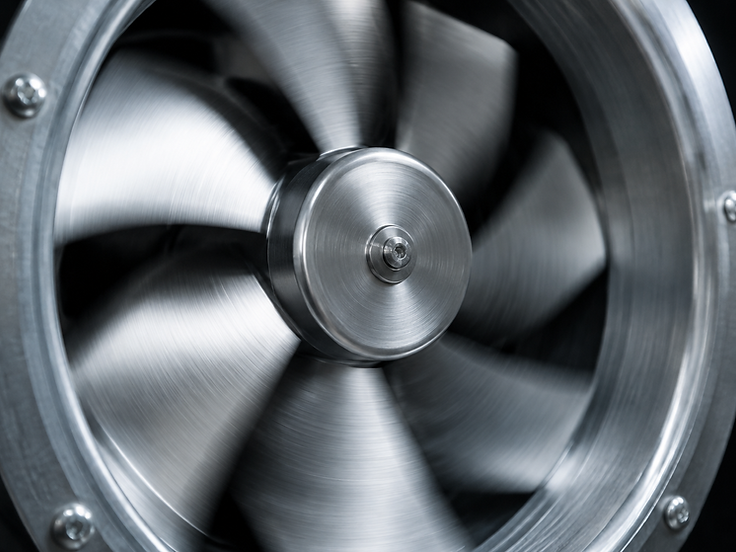
Choosing the right inline fan
Fan selection is a duty question, not a brand question. The fan has to move the required airflow against the resistance of the actual duct route — the bends, the grilles, the length and the discharge point.
- Airflow and static pressure matched to the measured duct route
- Acoustic consideration where the fan sits above a quiet area
- Correct duct diameter so the fan is not throttled at the connections
- Serviceable mounting position with an access panel
- Electrical isolator within reach for maintenance
Replacing a failed fan
When an inline fan fails, the replacement has to match the system it is going back into. Fitting a larger fan to fix weak extraction often makes the noise worse without solving the airflow, because the real restriction is in the duct.
We measure before replacing, and tell you plainly whether the fan, the duct or the installation detail is the problem.
Repairs and ongoing reliability
Not every fan needs replacing. Bearings, capacitors, impellers and mounting issues can often be resolved, and keeping a working fan running is usually cheaper than a new unit. Where a fan is at the end of its life, we say so and quote the replacement.
Included in our scope
- Fan duty check against the existing duct route
- Supply and installation of inline fans
- Replacement of failed or undersized units
- Repairs where the fan is serviceable
- Access panel and isolator provision
- Post-installation airflow verification